
Providing advanced orthopaedic care and joint replacement surgeries.
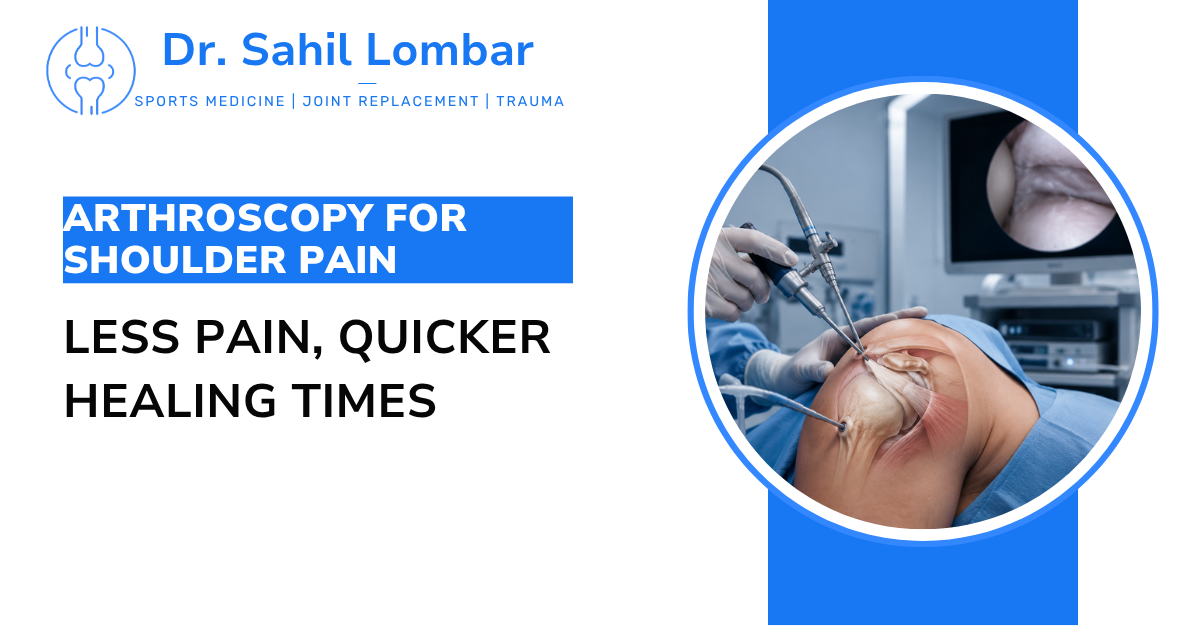
Shoulder injuries are one of the most common musculoskeletal problems that can affect people of all ages. Whether you’re a professional athlete, a weekend warrior, or someone who enjoys everyday physical activity, shoulder pain can severely limit your mobility and quality of life. Arthroscopic shoulder surgery is one of the most advanced and effective ways to treat a variety of shoulder conditions, from rotator cuff tears to shoulder instability. In this blog, Dr. Sahil Lombar, a renowned orthopaedic surgeon in Pune, will explain everything you need to know about arthroscopic shoulder surgery before undergoing the procedure.
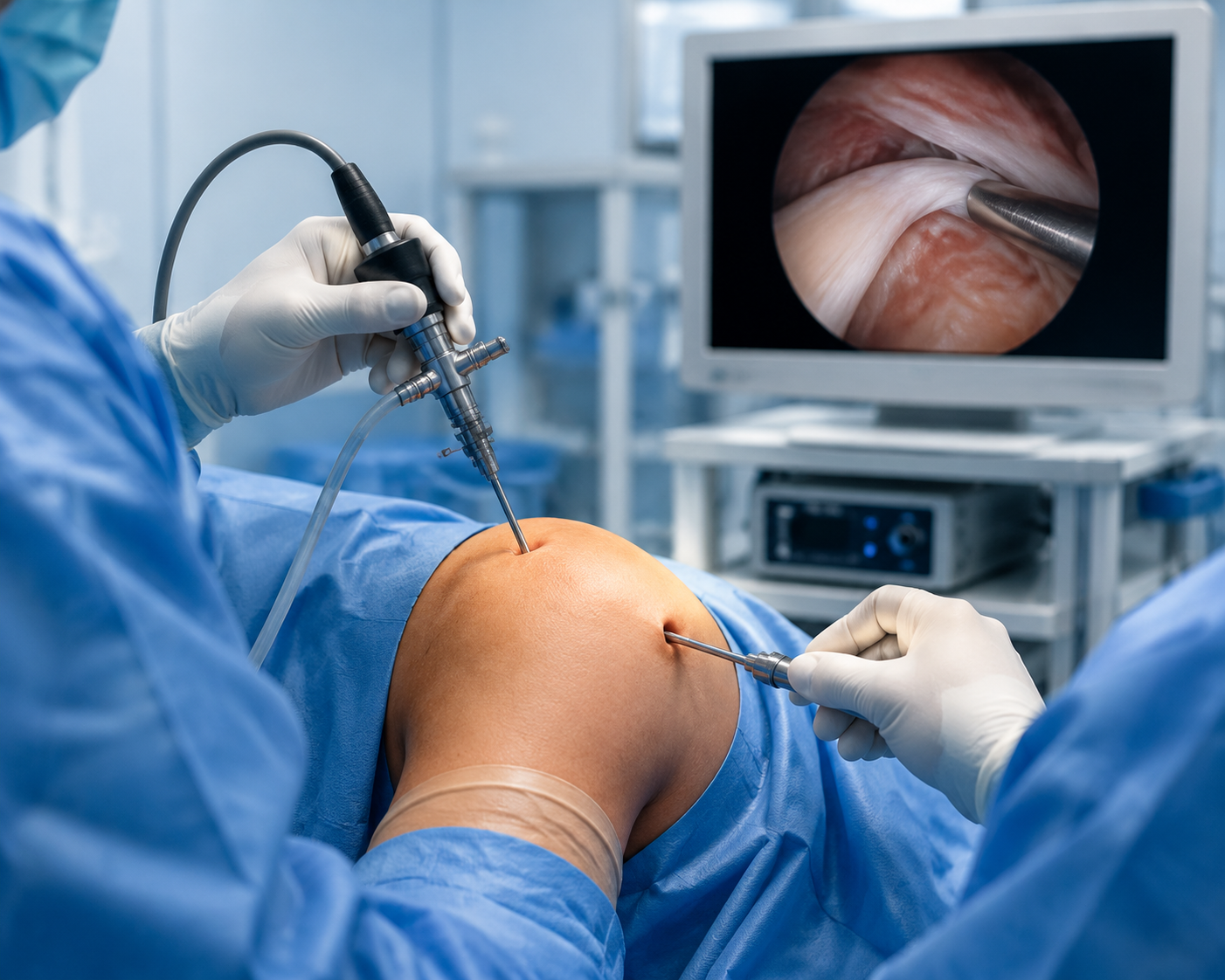
Arthroscopic shoulder surgery is a minimally invasive procedure used to treat various shoulder conditions. During the surgery, a small camera called an arthroscope is inserted into the shoulder joint through a small incision. The camera allows the surgeon to view the inside of the joint on a monitor, helping to diagnose the issue and guide the repair.
Arthroscopic shoulder surgery is typically used for:
The advantage of arthroscopy is that it requires only small incisions, which reduces the risk of infection, decreases recovery time, and minimizes scarring compared to traditional open surgery.
Arthroscopic shoulder surgery is recommended when non-surgical treatments, such as rest, physical therapy, and medications, fail to alleviate shoulder pain or dysfunction. Some conditions that may require arthroscopic surgery include:
a. Rotator Cuff Tears
The rotator cuff is a group of muscles and tendons that stabilize the shoulder. Tears are common among athletes and older adults, particularly those who perform repetitive overhead movements.
b. Labral Tears
The labrum is a piece of cartilage that stabilizes the ball-and-socket joint of the shoulder. Tears can occur due to trauma or repetitive motions, causing pain, instability, and limited range of motion.
c. Shoulder Instability
Shoulder instability occurs when the ball of the shoulder joint moves out of the socket, leading to pain and difficulty moving the shoulder. This can be caused by previous dislocations or overuse injuries.
d. Shoulder Impingement Syndrome
Shoulder impingement occurs when the tendons of the rotator cuff become irritated or inflamed due to narrowing of the space between the shoulder blade and upper arm bone. It causes pain when raising the arm overhead.
e. Frozen Shoulder
Frozen shoulder (adhesive capsulitis) occurs when the capsule surrounding the shoulder joint thickens and tightens, restricting movement and causing pain. In some cases, surgery may be required to release the stiffened capsule.
Arthroscopic shoulder surgery offers several benefits over traditional open surgery, including:
Before undergoing arthroscopic shoulder surgery, there are several important things that Pune patients must know:
a. Pre-Surgery Consultation
Dr. Sahil Lombar will conduct a thorough examination of your shoulder and may order imaging tests, such as an MRI or X-ray, to accurately diagnose the problem. During the consultation, Dr. Lombar will discuss the surgical procedure, expected outcomes, and the risks involved, as well as answer any questions you may have.
b. Anesthesia
Arthroscopic shoulder surgery is typically performed under general anesthesia, meaning you will be asleep during the procedure. In some cases, a regional block may be used to numb the shoulder area.
c. Preparation for Surgery
Patients are advised to refrain from eating or drinking after midnight before the surgery day. You may also be instructed to stop taking certain medications, particularly blood thinners, to reduce the risk of complications.
The surgery itself typically lasts between 1 and 2 hours, depending on the complexity of the condition. Dr. Sahil Lombar will make small incisions around the shoulder joint, through which the arthroscope and surgical instruments will be inserted.
The surgeon will use the camera to guide the repair of the damaged tissue. For example:
After the procedure, the incisions are closed with sutures or surgical glue, and the shoulder is bandaged.
While recovery times can vary depending on the type of injury and surgery performed, most patients can expect the following timeline:
a. Immediate Post-Surgery
After the surgery, you will be monitored in a recovery area for a few hours. Once the anesthesia wears off, you may be able to go home the same day.
You will be instructed to rest and keep your arm immobilized in a sling to support the shoulder as it begins to heal.
b. Physical Therapy
Physical therapy is an essential part of the recovery process. Dr. Sahil Lombar will work with you to develop a personalized rehabilitation plan to restore strength, flexibility, and range of motion in the shoulder. This typically begins with gentle passive exercises and progresses as you recover.
c. Full Recovery
While most patients return to regular activities within 3 to 6 weeks, athletes or those requiring full shoulder function may take 3 to 6 months to fully recover, depending on the extent of the surgery and rehabilitation efforts.
Dr. Sahil Lombar is a highly experienced orthopaedic surgeon specializing in arthroscopic shoulder surgery. With a focus on minimally invasive techniques and personalized care, Dr. Lombar ensures optimal outcomes for his patients. Here’s why patients in Pune trust Dr. Lombar:

Arthroscopic shoulder surgery is a game-changer for treating shoulder injuries, offering faster recovery, less pain, and fewer complications than traditional open surgery. If you're suffering from shoulder pain or a sports injury, Dr. Sahil Lombar in Pune can help you explore whether arthroscopic surgery is the right solution for you.
Contact Dr. Sahil Lombar today to schedule a consultation for shoulder arthroscopy and begin your journey toward pain-free movement and a speedy recovery.
Providing advanced orthopaedic care and joint replacement surgeries.
© Copyright 2026 by Dr. Sahil Lombar