
Providing advanced orthopaedic care and joint replacement surgeries.
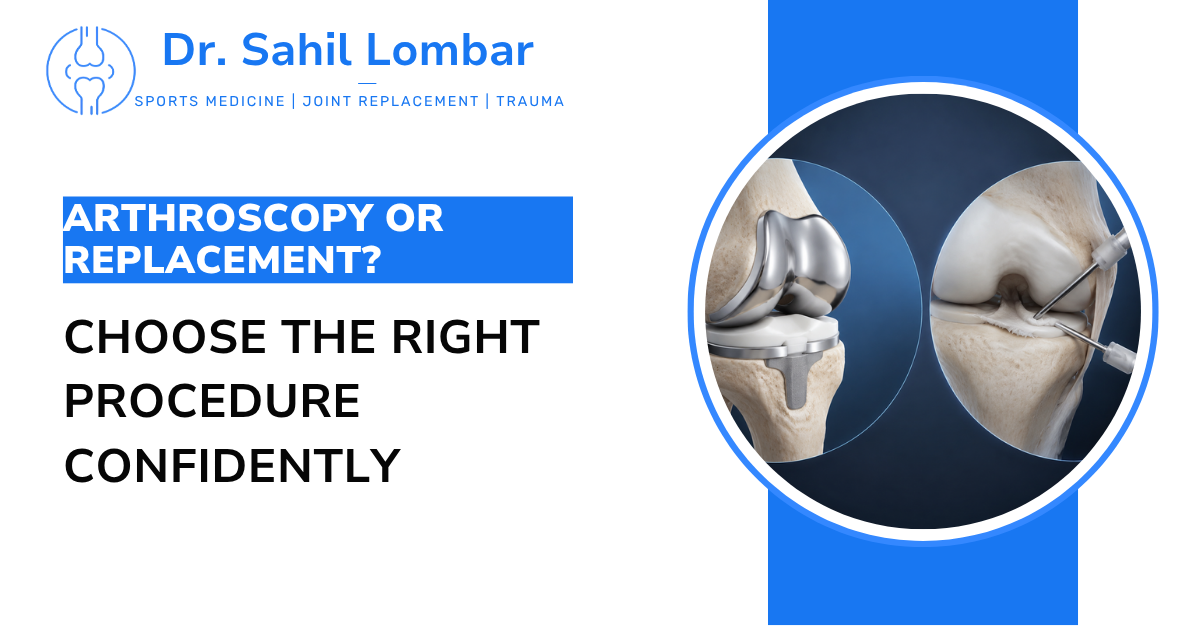
When it comes to treating joint pain and injuries, patients in Pune often face a crucial decision: Should they opt for joint replacement surgery or a minimally invasive arthroscopic procedure? Both treatments aim to improve joint function and relieve pain, but they are suited to different conditions and patient needs.
In this blog, Dr. Sahil Lombar, a leading orthopaedic surgeon in Pune, explains the differences between joint replacement and arthroscopy, when each procedure is recommended, and how to choose the right treatment based on your condition.
Joint replacement surgery is a procedure where a damaged joint is removed and replaced with an artificial one. This procedure is most commonly performed for the knee, hip, and shoulder joints when they are severely damaged due to conditions like osteoarthritis, rheumatoid arthritis, or injury.
Joint replacement is recommended when:
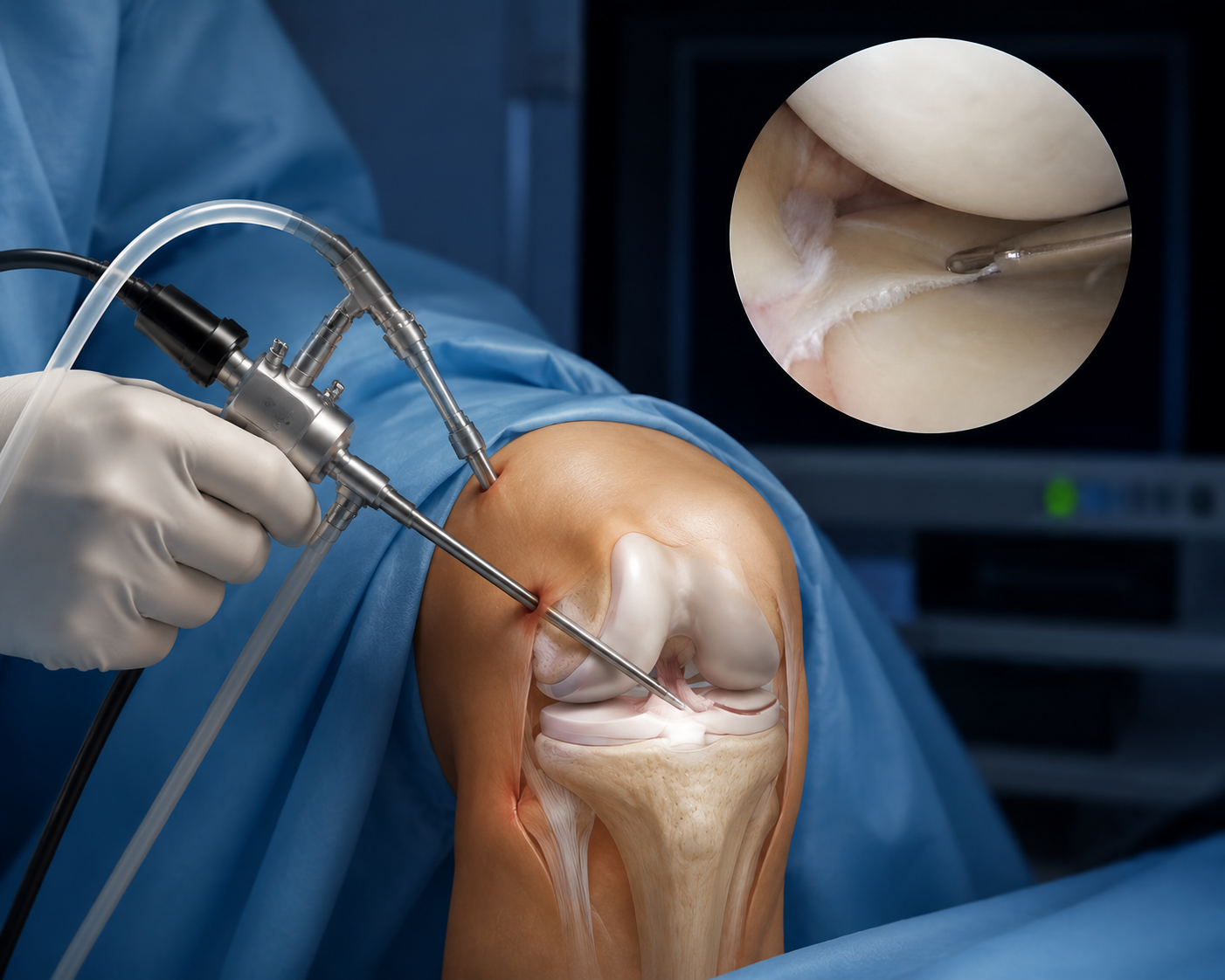
Arthroscopy is a minimally invasive surgical procedure used to diagnose and treat joint issues. During an arthroscopy, a small camera (arthroscope) is inserted into the joint through a small incision. This allows the surgeon to see inside the joint and perform repairs, such as removing damaged tissue, repairing ligaments, or trimming cartilage.
Arthroscopy is generally recommended for conditions like:
Unlike joint replacement, arthroscopy does not remove or replace the joint. Instead, it is a more conservative treatment aimed at repairing the damaged areas of the joint.
| Feature | Joint Replacement | Arthroscopy |
|---|---|---|
| Type of Procedure | Major surgery that removes and replaces the damaged joint. | Minimally invasive surgery using a camera and small incisions. |
| Recovery Time | Longer recovery time; 6–12 months for full recovery. | Faster recovery; most patients return to normal activities in 2–6 weeks. |
| Indications | Recommended for severe joint damage (arthritis, fractures). | Used for repairing soft tissue damage (cartilage, ligaments, tendons). |
| Invasiveness | More invasive; requires larger incisions. | Less invasive; requires only small incisions. |
| Post-Operative Care | Extensive rehabilitation; usually involves physical therapy. | Shorter rehab time with a focus on restoring mobility. |
| Suitability | Best for patients with significant joint degeneration. | Suitable for patients with soft tissue damage and mild-to-moderate arthritis. |
Joint replacement surgery is generally recommended when:
If you have been diagnosed with advanced arthritis or have suffered a serious injury that has resulted in joint deformities, joint replacement surgery may be the best option for improving quality of life and restoring joint function.
Arthroscopy is recommended for:
Arthroscopy is ideal for athletes and active individuals who need to return to their normal routine quickly, as well as older adults who are not yet candidates for joint replacement surgery.
Dr. Sahil Lombar is a skilled and experienced orthopaedic surgeon specializing in joint replacement surgery and arthroscopic procedures. With over 10 years of experience, Dr. Lombar provides personalized treatment options for patients in Pune, ensuring they receive the best care for their condition. Here's why Dr. Lombar is a top choice:
If you're dealing with joint pain or an injury and are unsure whether joint replacement or arthroscopy is the right choice, it’s important to consult with an experienced orthopaedic surgeon. Dr. Sahil Lombar will assess your condition through physical examinations and imaging tests (X-rays, MRIs, etc.) to determine which procedure offers the best chance of recovery.
Both joint replacement surgery and arthroscopy are highly effective treatments for different types of joint conditions. Choosing the right procedure depends on the severity of your joint damage, your overall health, and your recovery goals. If you’re in Pune and experiencing joint pain, don’t hesitate to consult with Dr. Sahil Lombar. He will guide you through the decision-making process and ensure that you receive the best possible treatment for your condition.
Schedule a consultation with Dr. Sahil Lombar today to discuss your joint pain treatment options and get personalized advice on whether joint replacement or arthroscopy is the right solution for you.
Providing advanced orthopaedic care and joint replacement surgeries.
© Copyright 2026 by Dr. Sahil Lombar