Introduction
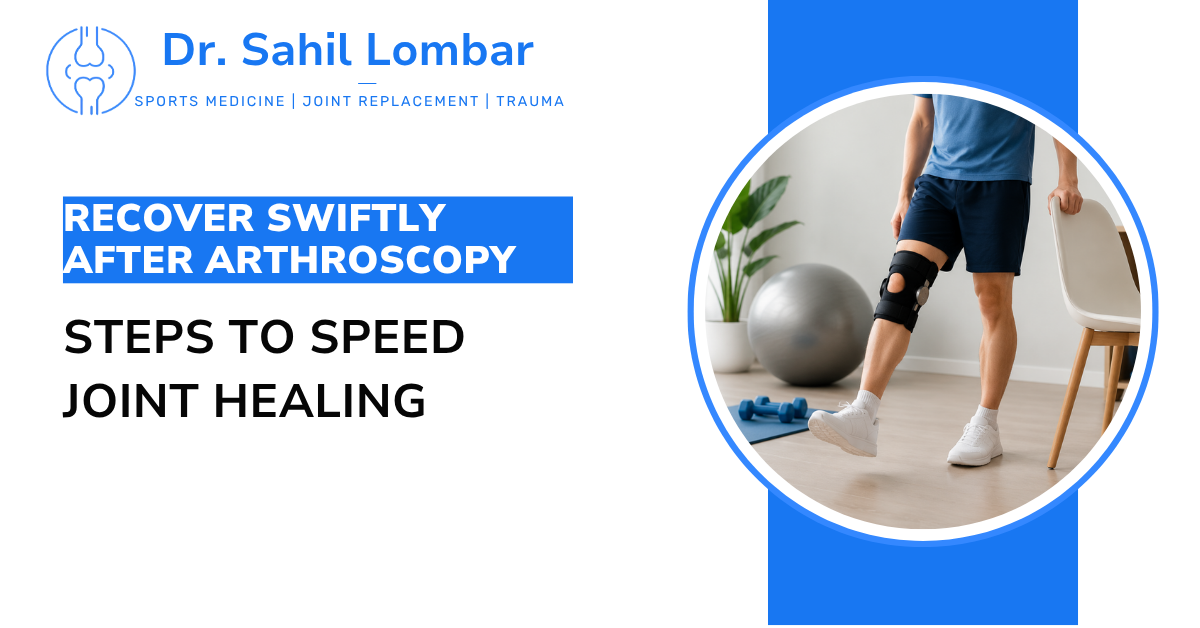
Knee and hip arthroscopy are minimally invasive procedures that help treat a variety of joint conditions, such as ACL tears, meniscus damage, hip impingement, and labral tears. Although arthroscopic surgery is known for shorter recovery times and fewer complications compared to traditional open surgery, proper post-surgery care and rehabilitation are essential for a full recovery.
In this blog, Dr. Sahil Lombar, a leading orthopaedic surgeon in Pune, shares crucial post-surgery recovery tips to help patients heal faster and return to their normal activities after knee and hip arthroscopy.
1. Follow Your Surgeon’s Instructions
The most important aspect of post-surgery recovery is to follow the instructions provided by your surgeon. Dr. Sahil Lombar will give you detailed guidelines on what to do and avoid after surgery. These instructions typically include:
- Rest and limited movement during the initial healing phase
- Guidelines for wound care to prevent infection
- Medications to manage pain and prevent inflammation
It’s important to adhere to these instructions strictly, as they are designed to help you recover as quickly and safely as possible.
2. Manage Pain and Swelling
After knee or hip arthroscopy, it’s common to experience some pain, swelling, and bruising around the surgical site. Proper pain and swelling management will help you heal faster and reduce the risk of complications.
Pain Management Tips:
- Ice the area: Apply ice packs to the knee or hip for 20–30 minutes every 2–3 hours during the first few days after surgery. Ice helps reduce swelling and numb the area, providing pain relief.
- Elevate your leg: For knee arthroscopy, elevate your leg above the level of your heart to help reduce swelling.
- Take prescribed pain medications: Dr. Lombar will prescribe medications to help manage post-surgical pain. Make sure to follow the prescribed dosage and never skip or take extra medication.
Swelling Management:
- Compression: Wearing a compression bandage, as recommended by your surgeon, can help control swelling and improve blood flow to the area.
- Limit movement: Avoid activities that could cause additional stress or strain on the joint during the early stages of recovery.
3. Physical Therapy and Rehabilitation
Physical therapy is one of the most important components of recovery after knee and hip arthroscopy. Engaging in rehabilitation exercises helps restore the joint’s mobility, strength, and function, while also preventing future injury.
- Start therapy early: In some cases, physical therapy can start within the first few days after surgery. Dr. Lombar may recommend gentle range-of-motion exercises to prevent stiffness.
- Strengthen muscles: As you progress, your physical therapist will guide you through exercises aimed at strengthening the muscles surrounding the knee or hip joint. Strong muscles help stabilize the joint and prevent re-injury.
- Follow a structured plan: Stick to the prescribed therapy schedule, as skipping sessions can delay your recovery. Dr. Lombar will monitor your progress and adjust your therapy plan accordingly.
4. Gradually Increase Activity Levels
After knee or hip arthroscopy, it’s important to gradually increase your activity levels. Overloading the joint too soon can lead to setbacks, including re-injury or inflammation. Start with light activities and slowly build up to more demanding exercises as you heal.
Key Activity Tips:
- Limit weight-bearing: Initially, you may need to use crutches or a walker to help with walking and prevent putting too much weight on the operated leg.
- Avoid high-impact activities: Refrain from running, jumping, or participating in contact sports until Dr. Lombar gives you the green light.
- Monitor pain levels: Pay attention to your body. If pain increases with certain movements or activities, take a step back and consult with Dr. Lombar.
5. Maintain a Healthy Diet
Nutrition plays a vital role in the healing process. A balanced diet rich in vitamins and minerals will help your body recover more efficiently.
Diet Tips:

- Protein-rich foods: Protein is essential for tissue repair and muscle recovery. Include lean meats, fish, eggs, beans, and legumes in your diet.
- Anti-inflammatory foods: Foods rich in omega-3 fatty acids (like fish, walnuts, and flaxseeds) and antioxidants (like berries, leafy greens, and nuts) can help reduce inflammation.
- Calcium and Vitamin D: For bone health, include calcium-rich foods like dairy products, leafy vegetables, and fortified foods. Vitamin D, which helps with calcium absorption, is also important, so ensure you're getting enough from sunlight or supplements.
6. Monitor for Complications
While complications after knee or hip arthroscopy are rare, it’s important to stay alert for any warning signs and seek medical help immediately if necessary.
Signs of Complications:
- Excessive swelling that doesn’t improve with ice and elevation
- Increased pain that’s not relieved by medication
- Fever or signs of infection (redness, warmth, discharge from the incision site)
- Blood clots: Symptoms may include pain, swelling, or redness in the calf, particularly after long periods of immobility.
If you notice any of these symptoms, contact Dr. Lombar right away for advice and treatment.
7. Rest and Patience
The most important tip for a successful recovery after knee and hip arthroscopy is patience. Even though arthroscopy is a minimally invasive procedure, full recovery takes time, especially if you want to return to high-impact activities.
- Rest: Get plenty of rest during the initial stages of recovery. This allows your body to heal and prevents unnecessary strain on the joint.
- Be patient with your progress: Recovery will vary from person to person, and it’s essential to listen to your body and avoid rushing back into strenuous activities.
Why Choose Dr. Sahil Lombar for Arthroscopy in Pune?
Dr. Sahil Lombar is a leading orthopaedic surgeon in Pune, specializing in knee and hip arthroscopy. With over 10 years of experience, Dr. Lombar provides personalized care, ensuring the best possible outcomes for his patients. Here's why you should choose Dr. Lombar for your joint surgery:
- Expertise in Minimally Invasive Surgery: Dr. Lombar is highly skilled in performing arthroscopic procedures, leading to faster recovery and minimal scarring.
- Comprehensive Post-Surgery Care: Dr. Lombar offers detailed rehabilitation plans and close follow-ups to ensure the quickest and safest recovery.
- State-of-the-Art Facilities: Dr. Lombar’s clinic is equipped with the latest technologies to provide you with the best possible treatment.
Conclusion
Recovering from knee and hip arthroscopy is a gradual process that requires the right care and attention. By following Dr. Sahil Lombar’s post-surgery recovery tips, you can heal faster, avoid complications, and return to your normal activities sooner. If you’ve recently undergone knee or hip arthroscopy or are considering the procedure, schedule a consultation with Dr. Lombar to ensure you’re on the path to a successful recovery.
Call to Action:
Contact Dr. Sahil Lombar today to discuss your knee or hip surgery options and receive expert guidance on post-surgery care and rehabilitation.